
How Often to Stop on a Road Trip with Baby
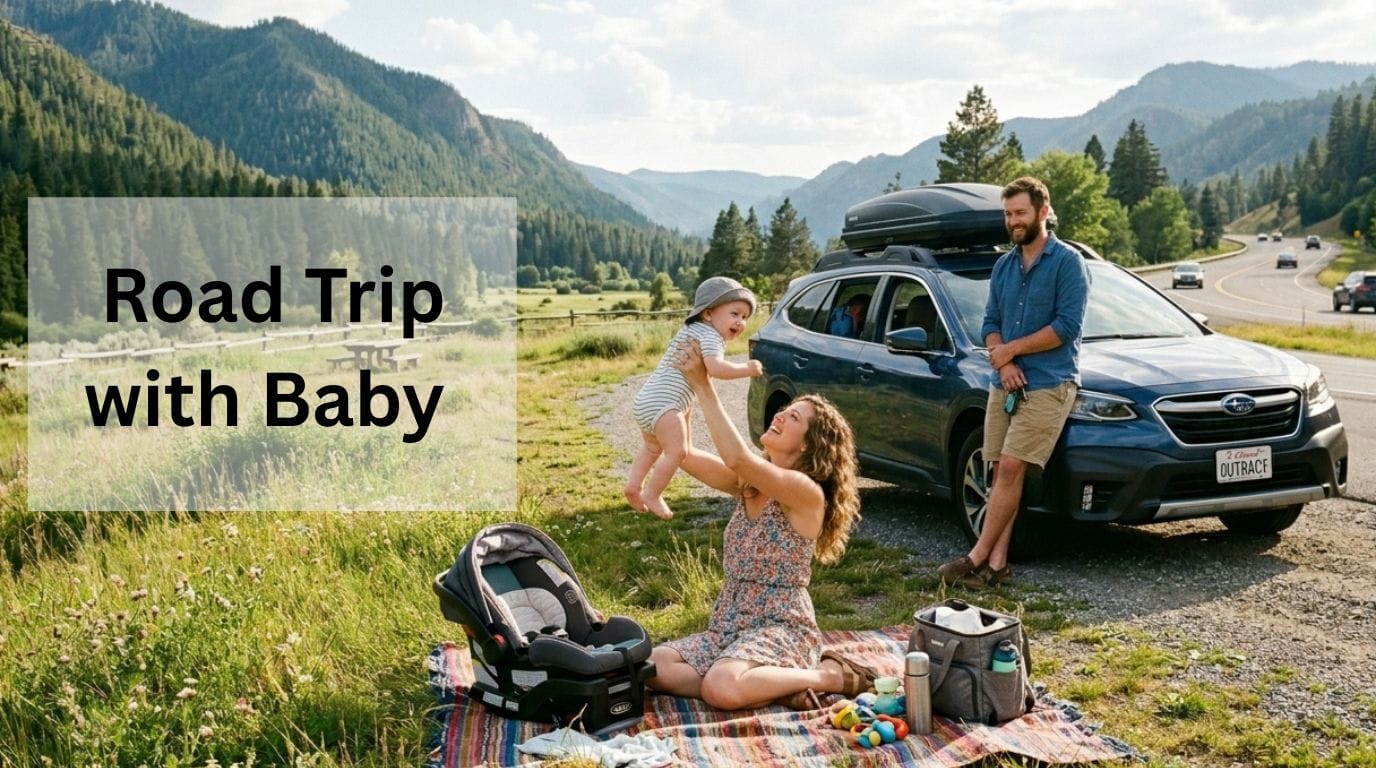
Planning a family getaway can be incredibly exciting, but you are likely wondering exactly how often to stop on a road trip with baby. Striking the right balance between making good time on the highway and keeping your little one comfortable is the absolute secret to a stress-free journey.
Traveling with an infant requires a shift in your usual travel mindset. You can no longer power through a six-hour drive with just one quick bathroom break and a drive-thru coffee.
Instead, the journey itself becomes a major part of the experience. By planning your stops strategically, you can prevent epic meltdowns and ensure everyone arrives at the destination happy.
Let’s dive into the golden rules of road tripping with an infant, including how to perfectly organize your diaper bag for quick, efficient pit stops along the way.
How Often to Stop on a Road Trip with Baby? The Golden Rule
When parents ask how often to stop on a road trip with baby, pediatricians and travel experts usually agree on one standard guideline. It is widely known as the “Two-Hour Rule.”
Understanding the 2-Hour Rule
The general consensus is that you should stop every two hours for at least 15 to 30 minutes. This is not just about convenience; it is a critical safety measure for your child.
Babies, especially newborns, have developing spines and airways. Sitting in a semi-reclined car seat position for prolonged periods can put a strain on their tiny bodies.
Stopping every two hours allows you to take your infant out of the car seat. This gives them a chance to stretch their back, move their limbs, and breathe freely without the restrictions of safety straps.
Signs Your Infant Needs a Break Sooner
While two hours is a great benchmark, you must always remain flexible. Sometimes, your little one will dictate a completely different schedule.
If your child is crying inconsolably, it is time to pull over at the next safe rest stop. Crying can indicate hunger, a soiled diaper, or simply that they are tired of being strapped down.
Additionally, listen for cues like aggressive fussing or sudden changes in breathing. Never ignore these signs just to shave twenty minutes off your GPS arrival time.
Planning Your Stops: Making the Most of Your Breaks
Knowing how often to stop on a road trip with baby is only half the battle. Knowing what to do during those stops is what keeps the trip moving smoothly.
Feeding and Hydration
Use your breaks to handle all feeding duties. Whether you are nursing or bottle-feeding, it is much safer and more comfortable to feed your child while the car is parked.
If your child has started eating solids, rest stops are the perfect time for a quick snack. Keep a small cooler handy with pre-portioned, mess-free snacks like soft fruits or puffs.
Don’t forget to burp them thoroughly before putting them back in the seat. Trapped gas mixed with the motion of the car is a recipe for a very unhappy passenger.
Diaper Changes and Physical Stretches
Every single stop should include a quick diaper check, even if you don’t smell anything suspicious. A fresh diaper prevents painful rashes from developing during long stretches of driving.
Once the diaper is changed, lay down a clean blanket on the grass or in the back of your SUV. Let your child kick their legs, roll around, and get some much-needed tummy time.
For parents, this is also the perfect moment to stretch your own legs. Do a few quick lunges or walk a lap around the parking lot to keep your energy levels up.
How to Organize Diaper Bag for Quick Road Trip Stops
If you want to maximize your rest stops, mastering how to organize diaper bag essentials is absolutely crucial. A cluttered bag will only eat into your precious break time.
Choosing the Right Travel Bag
First, you need a bag that offers multiple compartments and easy access. Backpack-style diaper bags are highly recommended because they leave your hands completely free.
You can find some incredible, spacious options simply by browsing amazon for travel-specific diaper backpacks. Look for bags with insulated pockets for bottles and waterproof sections for soiled clothes.
Strategic Packing: The Compartment Method
The secret to a well-organized diaper bag is giving every single item a dedicated home. Never just throw things into the main compartment.
Front Pockets: Immediate Needs
Wipes: Keep a large pack of wipes in the most accessible pocket. You will need these for spills, spit-ups, and diaper changes.
Pacifiers: Store two clean pacifiers in a sanitary pouch right at the front.
Hand Sanitizer: Essential for cleaning your hands before and after a diaper change.
Main Compartment: The Core Essentials
Diapers: Pack at least one diaper for every hour you plan to be on the road, plus a few extras.
Changing Pad: A foldable, wipeable changing pad should be easily grabbable.
Extra Clothes: Roll up two spare outfits to save space and keep them wrinkle-free.
Side Pockets: Hydration and Nutrition
Bottles/Sippy Cups: Use the insulated side pockets to keep milk or water at the right temperature.
Formula Dispenser: If you use formula, pre-measure it into a multi-chamber dispenser for fast mixing.
The “Oh No” Emergency Kit
Always pack a small wet bag for ruined or soiled clothes. Blowouts happen, and you do not want those clothes mixing with your clean supplies.
Include a mini first-aid kit with baby-safe pain relievers, teething gel, and bandages. Having these items organized in a clear, zippered pouch saves you from digging around in a panic.
Managing Sleep Schedules While Driving
Aligning your driving schedule with your child’s sleep patterns can feel like hitting the travel jackpot. A sleeping passenger means quiet, uninterrupted highway miles.
Timing Your Departure
Many veteran parents swear by leaving right before a scheduled nap or even at bedtime. If you depart just as your child is getting drowsy, you might secure a solid block of driving time.
If you choose to drive at night, ensure both parents are well-rested. Driving drowsy is incredibly dangerous, no matter how quiet the back seat is.
Creating a Restful Environment in the Car
You want the back seat to mimic their nursery as much as safely possible. Use removable window shades to block out the harsh sun and passing headlights.
A portable white noise machine can work wonders on the road. It drowns out the hum of the tires, passing trucks, and your own conversations in the front seat.
Ensure the temperature in the back seat is comfortable. Cars can get stuffy, so angle the AC vents to provide a gentle, indirect breeze.
Keeping Your Little One Entertained on the Road
When your child is awake, you need a solid strategy to keep them happy. Boredom is the quickest path to a crying fit.
Safe Car Seat Toys
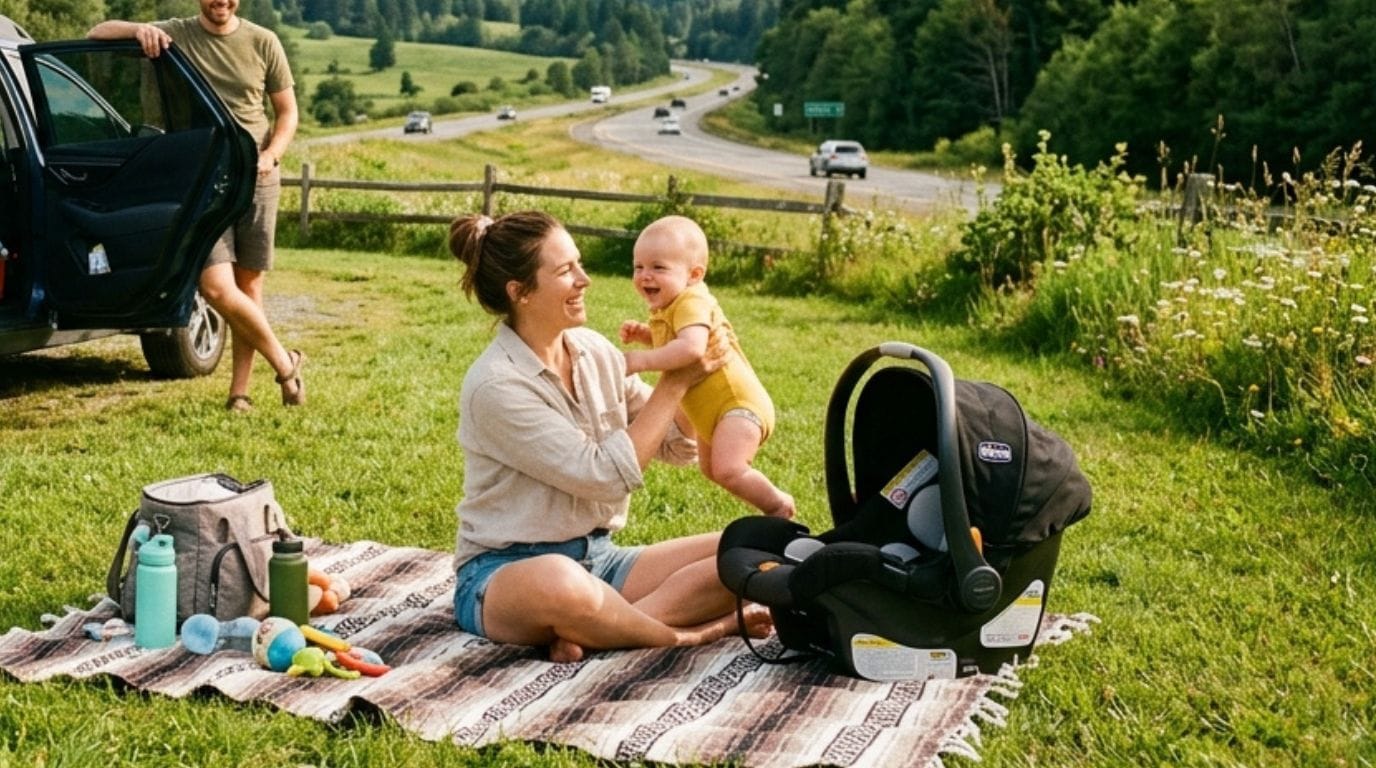
Pack a dedicated tote bag of toys that are specifically meant for the car. These should be soft, lightweight, and lack any sharp edges in case of sudden braking.
Avoid toys that easily roll out of reach, as dropped toys often lead to instant tears. Consider linking rings to attach soft books or plushies directly to the car seat handle.
Introduce a “new” or forgotten toy halfway through the trip. The novelty will grab their attention and buy you an extra hour of peace.
Music and Interactive Audio
Create a playlist of your child’s favorite songs, nursery rhymes, and lullabies. Singing along together can instantly change the mood in the car.
Audiobooks for older infants and toddlers are also a great distraction. The soothing voice of a narrator can be surprisingly mesmerizing for a young child.
If traveling with a partner, take turns sitting in the back seat. Playing peek-a-boo or reading a board book together is the best form of in-car entertainment.
Safety First: Car Seat Rules and Best Practices
While discussing how often to stop on a road trip with baby, we must prioritize physical safety above all else. Your child’s car seat is their most important piece of gear.
Proper Installation Checks
Before you pull out of your driveway, double-check that the car seat is installed correctly. It should not move more than one inch in any direction at the belt path.
Ensure the chest clip is positioned correctly at armpit level. The straps should be snug enough that you cannot pinch any excess webbing at the shoulder.
If you are unsure about your installation, visit a local fire station or certified Child Passenger Safety Technician (CPST) before your trip.
Why Limiting Car Seat Time Matters
We mentioned the two-hour rule earlier, and it is crucial to reiterate why it matters. Positional asphyxiation is a real risk for infants left in a semi-reclined position for too long.
Because infants lack strong neck control, their heads can slump forward, restricting their airways. Frequent stops ensure their oxygen saturation levels remain safe and healthy.
Furthermore, prolonged time in a car seat can contribute to flat head syndrome (plagiocephaly). Getting them out to stretch is vital for their physical development.
Snacks and Hydration for the Whole Family
A road trip is only as successful as the snacks you pack. Keeping everyone fed and hydrated prevents irritability across the board.
Parent Snacks Keep the Peace
Do not focus so much on your child that you forget to feed yourselves. Hangry parents are more likely to bicker and stress over minor travel hiccups.
Pack high-protein snacks like almonds, beef jerky, and cheese sticks in a small cooler. Avoid overly sugary snacks that will lead to an energy crash an hour later.
Stay heavily hydrated, but balance it with your stopping schedule. You don’t want to have to pull over every thirty minutes just for adult bathroom breaks!
Nourishing Your baby on the Go
If you are feeding your child formula, buy bottled water specifically for mixing on the road. It is safer than trusting the water fountains at public rest stops.
For toddlers, packing snacks in spill-proof containers is a lifesaver. Cheerios, freeze-dried strawberries, and yogurt melts are excellent, low-mess options.
Keep a dedicated trash bag in the car. Cleaning up snack wrappers and empty bottles immediately prevents your car from turning into a rolling garbage bin.
Dealing with Unexpected Delays and Meltdowns
No matter how perfectly you plan how often to stop on a road trip with baby, things will inevitably go wrong. Traffic jams, blowouts, and unexplained crying fits are part of the adventure.
Staying Calm as a Parent
When your child starts screaming and you are stuck in bumper-to-bumper traffic, your stress levels will spike. Take a deep breath and remember that they are safe, just unhappy.
Do not yell or panic, as your child will feed off your anxious energy. Speak to them in a calm, soothing voice until you can find a safe place to pull off the road.
Accept that your Estimated Time of Arrival (ETA) is just a suggestion. Releasing the pressure to arrive at a specific time will make the drive much more enjoyable.
Quick Soothing Techniques
If you cannot pull over immediately, try rolling down the windows for a few seconds. The sudden change in temperature and sound can sometimes shock a crying child into silence.
Singing a familiar song loudly and happily can distract them from whatever is causing their distress. Alternatively, turn up the white noise machine to help soothe their nervous system.
Once you are finally safely parked, take them out, offer a comforting hug, and reset. A ten-minute break outside the car can completely turn the day around.
Comparing Travel Bag Styles for Your Trip
To help you decide how to organize your gear, here is a quick comparison of popular diaper bag styles for road trips:
| Bag Style | Pros | Cons | Best For |
| Backpack | Hands-free, even weight distribution, highly spacious. | Can be bulky to store at your feet. | Long road trips and active parents. |
| Tote Bag | Easy to reach into, stylish, great for quick grabs. | Strains one shoulder, items easily fall to the bottom. | Short trips or as a secondary snack bag. |
| Messenger | Worn across the body, very accessible while seated. | Can swing forward awkwardly when bending over. | Parents who want quick access without removing the bag. |
Conclusion
Mastering how often to stop on a road trip with baby is the key to turning a daunting drive into a memorable family adventure. By strictly adhering to the two-hour rule, you ensure your little one stays safe, comfortable, and content throughout the journey.
Pairing this knowledge with a perfectly organized diaper bag means your pit stops will be efficient and stress-free. Remember to pack smart, remain flexible, and embrace the fact that the journey is now just as important as the destination. With the right mindset and preparation, you will conquer the open road like a pro.
Ready to hit the road? Take a few minutes today to pull out your diaper bag and start organizing your travel essentials! If you found this guide helpful, bookmark this page for your next family getaway and share it with other adventurous parents who are planning their first big trip. Safe travels!
