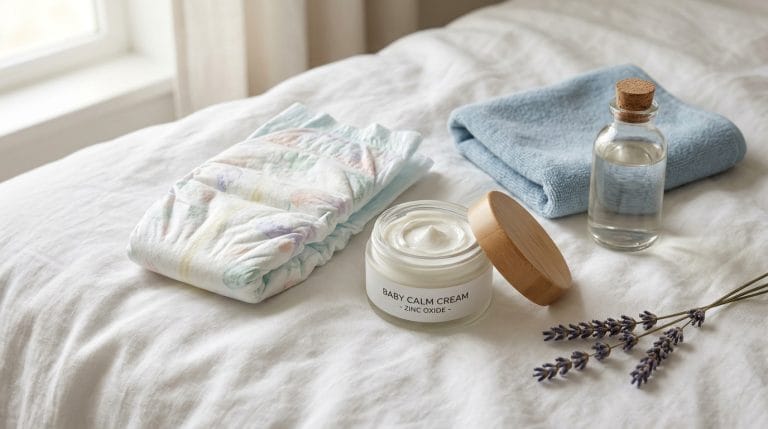
How to Clear Baby Blocked Nose Naturally

Seeing your little one struggle to breathe can be heartbreaking, which is why parents constantly ask how to clear baby blocked nose naturally. It is one of the most common, yet stressful, challenges during the early months of parenthood.
Infants primarily breathe through their noses, meaning even a tiny amount of mucus can cause significant discomfort. They rely completely on you for relief.
When congestion strikes, it disrupts their sleep, feeding, and overall happiness. Fortunately, there are many safe, effective, and gentle ways to help them breathe easy again.
In this extensive guide, we will explore the most reliable home remedies, safety tips, and preventative measures. Let us dive into the best natural strategies to soothe your little one.
Understanding Congestion: Why Does It Happen?
Before learning how to clear baby blocked nose naturally, it is vital to understand why it happens in the first place. Infants have extremely tiny nasal passages.
Because these passages are so small, it takes very little mucus or inflammation to cause a blockage. Furthermore, their immune systems are still developing.
This makes them highly susceptible to everyday environmental triggers. Here are the most common culprits behind infant congestion.
Common Causes of a Stuffy Nose
1. The Common Cold Viral infections are the leading cause of nasal congestion in infants. Since their immune systems are new, they can catch multiple colds in their first year.
2. Dry Air If the air in your home lacks moisture, it can dry out the delicate lining of your infant’s nose. This prompts the body to produce extra mucus as a defense mechanism.
3. Irritants and Allergens Dust, pet dander, pollen, and smoke can easily irritate tiny nasal passages. Even strong perfumes or household cleaning sprays can trigger sudden congestion.
4. Weather Changes Sudden shifts in temperature or humidity often lead to a stuffy nose. The respiratory system reacts to these changes by swelling or producing excess mucus.
The Best Methods on How to Clear Baby Blocked Nose Naturally
When you are looking for solutions on how to clear baby blocked nose naturally, safety must always come first. Over-the-counter cold medicines are generally unsafe for infants.
Instead, pediatricians highly recommend natural, non-invasive methods. Here are the most effective, doctor-approved remedies to try at home.
1. Saline Drops: The Ultimate Lifesaver
Saline drops are arguably the safest and most effective natural remedy available. They are simply a mixture of sterile water and salt.
When applied to the nostrils, saline helps to thin out thick, stubborn mucus. This makes it much easier for the mucus to drain on its own.
How to Use Saline Drops Effectively:
-
Lay your little one flat on their back.
-
Gently tilt their head back just a little bit.
-
Squeeze one to two drops of saline solution into each nostril.
-
Wait about 30 to 60 seconds to allow the saline to loosen the mucus.
-
Gently wipe away any mucus that drains out with a soft tissue.
2. Steam Therapy and Humidifiers
Moisture is your best friend when it comes to soothing a congested respiratory tract. Steam helps to open up inflamed nasal passages naturally.
It also thins out the mucus, allowing your infant to breathe much more comfortably. There are two primary ways to utilize moisture.
Using a Cool-Mist Humidifier Place a cool-mist humidifier in the nursery during naps and nighttime sleep. This keeps the room’s air optimally moist.
You can find many highly-rated cool-mist humidifiers on amazon to help maintain the perfect humidity levels in your home. Ensure you clean the device regularly to prevent mold growth.
The Bathroom Steam Method If you don’t have a humidifier, turn on your bathroom shower to the hottest setting. Close the door and let the room fill with warm steam.
Sit in the steamy bathroom with your little one for about 10 to 15 minutes. The gentle steam will work wonders on their congested airways.
3. Proper Hydration
Staying hydrated is crucial when fighting any kind of congestion. Fluids help to naturally thin out bodily secretions, including nasal mucus.
If you are nursing or bottle-feeding, offer smaller, more frequent feeds. A stuffy nose can make swallowing difficult, so patience is key.
If your infant is over six months old, you can offer small sips of warm water. Always consult your pediatrician before introducing new fluids.
4. Elevating the Mattress
When an infant lies completely flat, mucus tends to pool in the back of the throat and nasal cavity. This makes breathing significantly harder at night.
Using gravity to your advantage is a simple trick for how to clear baby blocked nose naturally. However, you must do this safely.
Never use pillows under your infant’s head, as this poses a severe suffocation and SIDS risk. Instead, place a rolled-up towel underneath the head of the crib mattress.
This creates a very slight, safe incline. The gentle elevation allows mucus to drain naturally while they sleep securely.
5. Gentle Nasal Massage
A soothing facial massage can relieve sinus pressure and encourage mucus drainage. Make sure your hands are clean and warm before you begin.
Use your index fingers to gently rub the bridge of the nose. Slide your fingers down the sides of the nose in a smooth, downward motion.
You can also lightly massage the cheekbones just below the eyes. Be extremely gentle, as an infant’s facial bones are very delicate.
6. Warm Compresses
Applying a warm compress to the face can alleviate the heavy, painful feeling of sinus pressure. The warmth increases blood circulation and opens nasal passages.
Take a clean, soft washcloth and soak it in comfortably warm water. Wring out the excess water so it is damp, not dripping.
Place the warm cloth gently over the bridge of the nose and forehead. Leave it there for a minute or two while singing or talking softly to keep them calm.
Safety Tips for Warm Compresses
Always test the temperature of the cloth on the inside of your own wrist first. An infant’s skin is highly sensitive and prone to burns.
Never cover their mouth or nostrils completely with the cloth. Keep a close watch to ensure they are breathing comfortably during the process.
Products That Can Help Make the Process Easier
While home remedies are fantastic, sometimes you need a little extra help. Taking care of a baby is a rewarding but challenging journey, and having the right tools is essential.
Nasal aspirators are incredibly helpful when used in conjunction with saline drops. They physically remove the loosened mucus from the nostrils.
Bulb Syringes The traditional rubber bulb syringe is a classic tool. Squeeze the air out first, gently insert the tip, and slowly release to suction the mucus.
Nasal Aspirator Tubes (Like the NoseFrida) These devices allow parents to use their own mouth suction to draw out mucus through a tube. Don’t worry, there is a hygiene filter to prevent any germs from reaching you!
They are often more effective and less invasive than traditional bulb syringes. Always clean any aspirator thoroughly with warm, soapy water after every use.

What to Avoid When Clearing a Blocked Nose
Knowing what not to do is just as important as knowing how to clear baby blocked nose naturally. Certain common practices can actually do more harm than good.
Avoid Over-the-Counter Cold Medicines Cough and cold syrups are strictly forbidden for infants unless explicitly prescribed by a pediatrician. They can have dangerous, even fatal, side effects.
Do Not Use Vapor Rubs on Infants Standard menthol vapor rubs are too strong for infants and can irritate their airways. If you want to use a rub, ensure it is specifically formulated and labeled safe for infants (usually containing eucalyptus and lavender, free of camphor).
Avoid Over-Suctioning It is tempting to suction the nose constantly to keep it clear. However, doing it more than three to four times a day can severely irritate the nasal lining.
This irritation can cause the tissues to swell, making the blockage even worse. Stick to suctioning only before feeds and bedtime.
Never Insert Cotton Swabs Do not try to clean the inside of the nostrils with Q-tips or cotton swabs. You risk pushing the mucus further up or accidentally damaging the fragile nasal tissue.
Prevention: Keeping Nasal Congestion at Bay
While you cannot prevent every cold, you can create an environment that minimizes the risk. Prevention is the best long-term strategy for keeping nasal passages clear.
Maintain a Clean Environment Dust and vacuum your home regularly to reduce airborne allergens. Wash infant bedding and soft toys frequently in hot water to kill dust mites.
Keep Pets Away from the Sleeping Area Even if your infant does not have a diagnosed allergy, pet dander can irritate tiny airways. Keep cats and dogs out of the nursery, especially at night.
Ensure Proper Ventilation Let fresh air into your home daily to circulate stagnant indoor air. Avoid using strong chemical cleaners, air fresheners, or scented candles around your little one.
Strict Hand Hygiene The simplest way to prevent cold viruses is through excellent handwashing. Always wash your hands before handling your infant, preparing their food, or after changing diapers.
Ask guests and family members to wash their hands as soon as they enter your home. Do not be afraid to set strict boundaries to protect your child’s health.
When to Call the Pediatrician
While knowing how to clear baby blocked nose naturally is incredibly helpful, some situations require professional medical intervention. Never hesitate to contact a doctor if you are concerned.
You should call your pediatrician immediately if your infant is under three months old and develops a fever. Fever in newborns is always considered a medical emergency.
Seek medical attention if the congestion lasts for more than 10 to 14 days without improvement. This could indicate a secondary bacterial infection like a sinus or ear infection.
Watch closely for signs of severe respiratory distress. These include flared nostrils, grunting noises with each breath, or the skin pulling in tightly around the ribs (retractions).
If your child is refusing to eat or drink entirely, they are at risk of dehydration. A significant decrease in wet diapers is a major red flag that requires immediate advice.
Frequently Asked Questions (FAQs)
Q1: How often can I use saline drops in a day? You can safely use saline drops before every feed and before bedtime to ensure they are comfortable. However, avoid using the suction device every single time to prevent irritation.
Q2: Is breast milk effective for clearing a stuffy nose? Many mothers swear by expressing a drop or two of breast milk into the nostrils. Breast milk contains natural antibodies, but saline drops are generally considered the most sterile and effective option.
Q3: Can teething cause a blocked nose? While teething causes excess drool and fussiness, it does not directly cause nasal mucus. If a stuffy nose is present, it is likely a coinciding mild cold.
Q4: Are essential oils safe to diffuse for infant congestion? You must be incredibly cautious with essential oils. Many popular oils, like peppermint and strong eucalyptus, are dangerous for infants; always consult a pediatrician before diffusing anything in the nursery.
Q5: Why is the congestion worse at night? Gravity plays a huge role. When an infant lies flat, blood flow to the nasal area increases, and mucus cannot drain properly, leading to worsened congestion at night.
Conclusion & Call to Action
Dealing with a congested infant is exhausting for both the child and the parents. However, learning how to clear baby blocked nose naturally empowers you to provide safe, immediate relief right from the comfort of your home.
By utilizing gentle saline drops, maintaining a humidified environment, and keeping your little one hydrated, you can ease their discomfort effectively. Remember, patience is key, as their tiny immune systems are working hard to fight off whatever is causing the blockage.
Always monitor their breathing closely and trust your parental instincts. If a home remedy doesn’t feel right, or if symptoms escalate, your pediatrician is always just a phone call away.
Did you find this guide helpful? Share this article with other new parents who might be struggling with sleepless, sniffly nights! Don’t forget to bookmark this page for quick reference the next time the sniffles strike. Breathe easy, and take it one day at a time!