Ultimate Guide: How to Get Rid of Baby Heat Rash Fast
If you are a distressed parent wondering exactly how to get rid of baby heat rash fast, you are definitely not alone. Seeing those tiny red bumps on your little one’s delicate skin can be alarming, but rest assured, it is a very common and highly treatable condition.
As a parent, your first instinct is to panic when a rash appears out of nowhere. However, with the right knowledge and quick actions, you can soothe your little one’s discomfort in no time.
In this comprehensive guide, we will walk you through everything you need to know to tackle this pesky skin issue. From identifying the root causes to providing instant relief, we have you covered.
Taking care of a newborn requires patience, and skin conditions are just a bump in the road. Let’s dive into the safest, most effective ways to clear up that rash and bring back your little one’s flawless skin.
What Exactly is Baby Heat Rash?
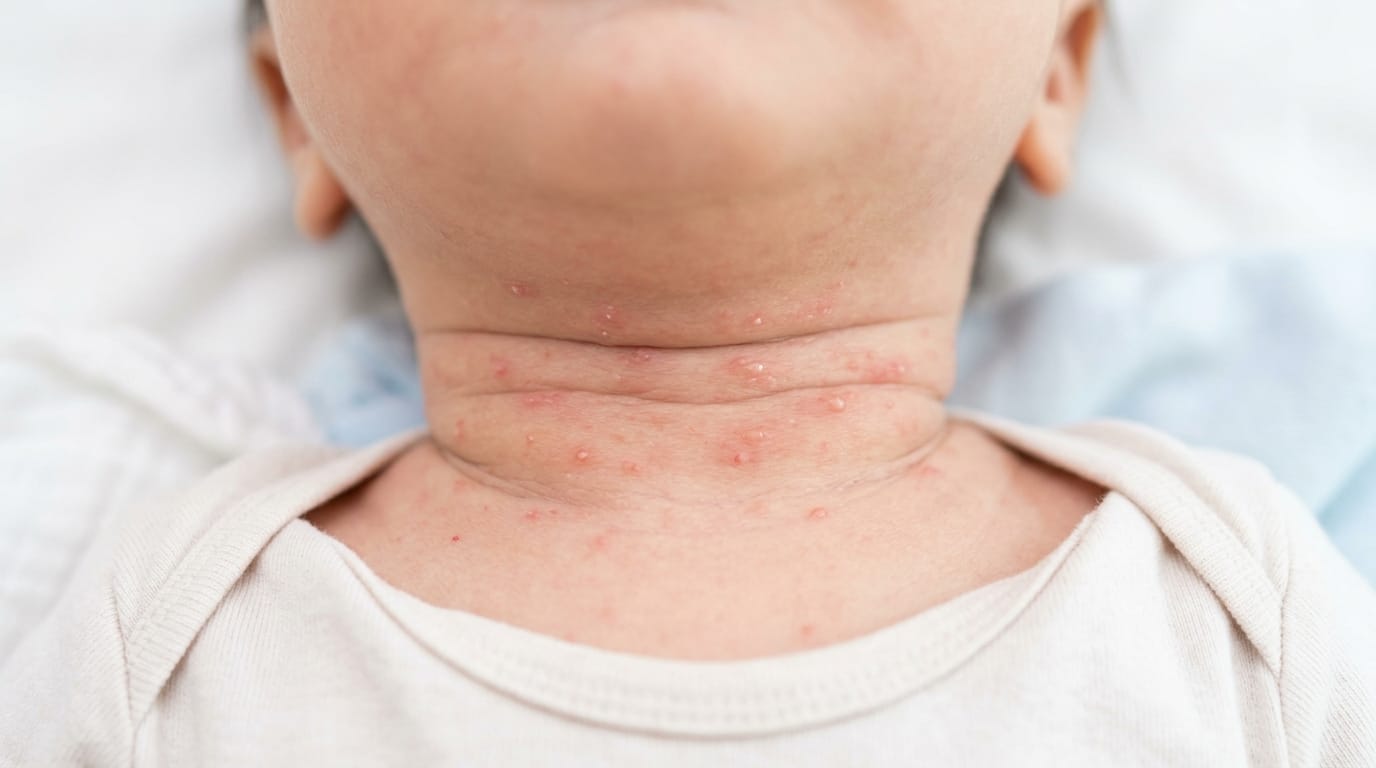
Heat rash, medically known as miliaria, occurs when sweat gets trapped right under the skin. Because infants have underdeveloped sweat glands, they are much more prone to this condition than adults.
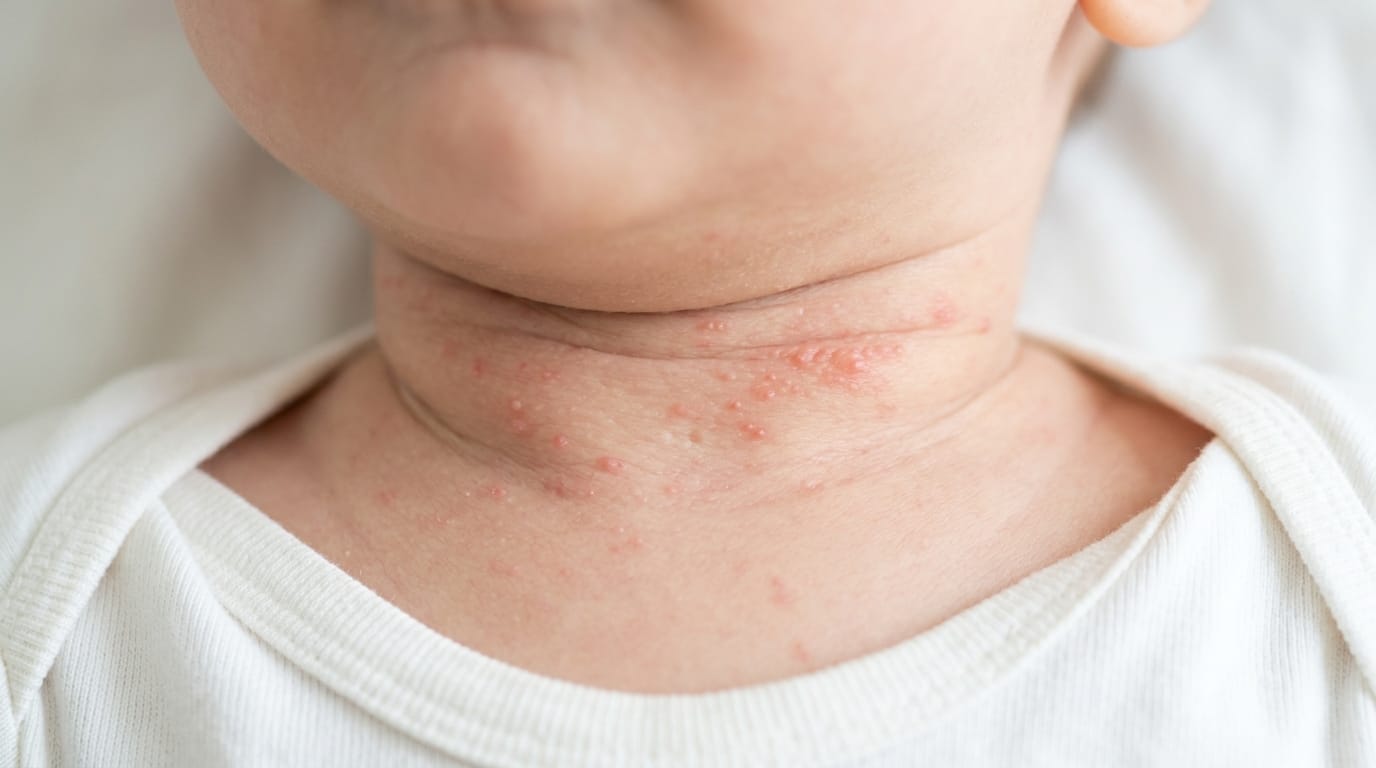
When the sweat cannot reach the surface to evaporate, it causes inflammation. This results in the classic red, prickly bumps that you might notice on their neck, chest, or back.
It is particularly common during the hot, humid summer months. However, it can also happen in the dead of winter if a child is bundled up in too many heavy layers of clothing.
The Three Types of Heat Rash
Understanding the specific type of rash can help you figure out how to get rid of baby heat rash fast and effectively. There are three main variations you might encounter:
-
Miliaria Crystallina: This is the mildest form of heat rash. It affects the top layer of skin and looks like tiny, clear, fluid-filled blisters that break easily.
-
Miliaria Rubra: Often referred to as “prickly heat,” this occurs deeper in the skin. It causes red bumps that are itchy and uncomfortable.
-
Miliaria Profunda: This is the rarest form, occurring in the deepest layer of the skin. It results in firm, flesh-colored lesions and usually happens after repeated bouts of heat rash.
Top Strategies: How to Get Rid of Baby Heat Rash Fast
When your infant is uncomfortable, waiting it out is simply not an option. You want solutions that work immediately to bring their body temperature down and soothe the irritation.
Here are the most effective, pediatrician-approved steps to treat prickly heat quickly.
1. Cool Down the Environment Immediately
The very first step in learning how to get rid of baby heat rash fast is to remove the source of the heat. If you are outside in the sun, immediately move into a shaded area or an air-conditioned room.
If you are indoors, turn on a fan or the air conditioner to circulate the air. You want the room to be comfortably cool, ideally between 68°F and 72°F (20°C – 22°C).
Gently undress your little one to let their skin breathe. Airing out the affected areas is one of the fastest ways to stop the trapping of sweat in their pores.
2. Soothing Cool Water Compresses
Applying a cool, damp washcloth directly to the rash can provide instant, much-needed relief. The cool temperature constricts blood vessels, which reduces redness and inflammation.
Simply soak a soft, clean cotton washcloth in cool (not freezing cold) water. Wring out the excess water and gently press it against the rash for 5 to 10 minutes.
Do not rub or scrub the skin, as this will only cause further irritation. Pat the area completely dry afterward, as leaving the skin wet can exacerbate the problem.
3. Draw a Lukewarm Oatmeal Bath
A lukewarm bath is incredibly refreshing for a hot, fussy infant. To make it even more soothing, consider adding colloidal oatmeal to the bathwater.
Colloidal oatmeal binds to the skin and creates a protective barrier, holding in moisture and easing inflammation. It is a fantastic natural remedy for nearly all childhood skin irritations.
Let them soak for about 10 minutes, but avoid using any harsh soaps or bubble baths. These chemical-laden products can strip the skin of its natural oils and worsen the rash.
4. Dress Them in Breathable Fabrics
Once your little one is clean and dry, it is crucial to dress them properly. Tight clothing made from synthetic materials like polyester or nylon will trap heat and sweat.
Instead, always opt for loose-fitting, 100% organic cotton clothing. Cotton is highly breathable and absorbs moisture, keeping the skin cool and dry throughout the day and night.
If you are staying indoors in a warm climate, letting them wear just a diaper is perfectly fine. The more air exposure the rash gets, the quicker it will heal.
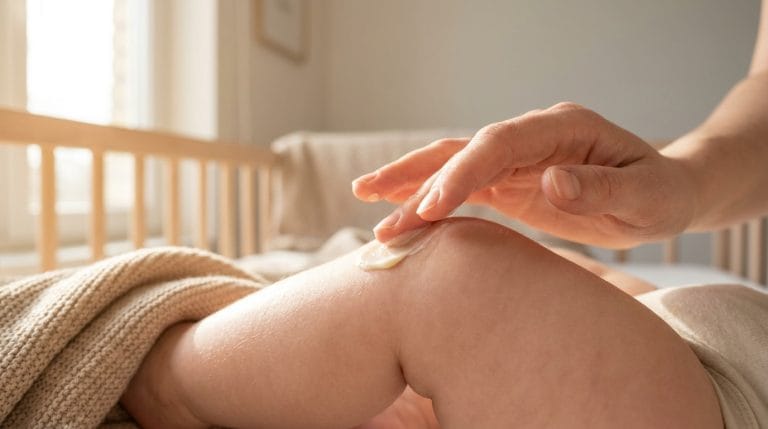
5. Avoid Heavy Creams and Ointments
It might be tempting to slather a thick diaper rash cream or petroleum jelly over the red bumps. However, this is one of the biggest mistakes parents make.
Thick ointments and oil-based lotions will clog the pores even further, trapping the sweat and making the rash worse. You must let the skin breathe naturally.
If the itching seems severe, you can consult your pediatrician about using an over-the-counter hydrocortisone cream. Otherwise, stick to keeping the skin clean, cool, and dry.
Understanding What Causes Heat Rash in Infants
To effectively prevent future outbreaks, it is essential to understand why this happens in the first place. Infants are incredibly susceptible to environmental changes.
Their sweat ducts are tiny and immature, meaning they rupture and clog easily under pressure. Here are the most common triggers for these annoying red bumps:
Overdressing Your Little One
New parents often worry that their newborn is cold, leading to excessive bundling. Wrapping a child in thick blankets, sweaters, and hats indoors is a primary cause of overheating.
A good rule of thumb is to dress them in only one more layer than you are currently wearing. If you are comfortable in a t-shirt, they do not need a winter coat.
Hot and Humid Climates
Living in or visiting a tropical climate drastically increases the risk of prickly heat. High humidity prevents sweat from evaporating efficiently off the skin.
If you must go outside during the summer, try to do so in the early morning or late evening. Avoid the peak sun hours between 10 AM and 4 PM.
Friction from Tight Clothing or Carriers
Sometimes, the rash is localized to areas where clothing rubs tightly against the skin. This friction irritates the delicate sweat glands, causing them to inflame and block.
Wearing your infant in a structured carrier for extended periods can also trap body heat between the two of you. Be sure to take frequent breaks to allow both of you to cool off.
Natural vs. Medical Treatments: What Works Best?
When exploring how to get rid of baby heat rash fast, you will find a mix of natural home remedies and medical solutions. Both have their time and place.
For mild cases, natural remedies are almost always the best route. They are gentle, free of harsh chemicals, and carry zero risk of side effects.
Effective Natural Remedies
-
Aloe Vera Gel: Pure aloe vera has incredible cooling and anti-inflammatory properties. Just ensure it is 100% pure without any added fragrances or alcohols.
-
Cucumber Slices: Gently rubbing cool cucumber slices on the rash can provide mild hydration and instant cooling relief.
-
Baking Soda Paste: Mixing a tiny amount of baking soda with water creates a paste that can neutralize skin acids. Use this sparingly, as it can be drying.
When to Use Medical Creams
If the natural remedies are not working after a few days, a mild, over-the-counter treatment might be necessary. Calamine lotion is a traditional favorite for drying out rashes and stopping the itch.
Anhydrous lanolin is another option that can help prevent the blockage of sweat ducts. Always run these options by your pediatrician before applying them to a newborn.
If you are looking to stock up on reliable, pediatrician-recommended skincare items, you can easily find a great selection of soothing ointments and breathable cotton onesies on amazon to have delivered right to your door.
How to Tell the Difference: Heat Rash vs. Eczema
Many parents confuse heat rash with other common childhood skin conditions, particularly eczema. Knowing the difference is vital for applying the correct treatment.
Heat rash usually appears suddenly, directly correlating with a period of overheating or heavy sweating. It consists of tiny, distinct red bumps or clear blisters, often in skin folds or areas covered by clothing.
Eczema, on the other hand, usually presents as dry, scaly, and intensely itchy patches of skin. It often appears on the cheeks, elbows, and knees, and is not necessarily triggered by heat.
While heat rash requires cooling and drying, eczema requires intense, thick moisturization. Treating heat rash with an eczema cream will only make the blocked sweat glands much worse.
Hydration: A Key Factor in Skin Health
Keeping your child properly hydrated is an often-overlooked step in treating and preventing skin issues. Hydration helps regulate body temperature from the inside out.
If you are nursing, ensure you are offering the breast frequently during hot weather. Breast milk provides both the hydration and the antibodies needed to keep them healthy.
Tips for Formula-Fed Infants
For formula-fed infants, offer the bottle at regular intervals. If they are under six months old, they do not need supplemental water, as formula provides adequate hydration.
For older infants who have started solid foods, you can offer small sips of water from a sippy cup. Offering water-rich fruits like watermelon or cucumber purees is also an excellent idea.
Ensuring your little one is adequately hydrated helps their body flush out toxins and maintain a stable internal thermostat, drastically reducing the risk of overheating.
When Should You See a Doctor?
While learning how to get rid of baby heat rash fast at home is usually successful, there are times when medical intervention is required. You must remain vigilant and monitor the rash closely.
Most cases of prickly heat clear up completely within two to three days of implementing cooling measures. If the rash persists longer than this, it is time to make an appointment.
Warning Signs to Watch For
You should contact your pediatrician immediately if you notice any of the following symptoms accompanying the rash:
-
Fever: A temperature of 100.4°F (38°C) or higher in an infant requires prompt medical evaluation.
-
Signs of Infection: If the bumps begin to ooze yellow pus, feel hot to the touch, or show red streaks spreading outward, an infection may be present.
-
Extreme Irritability: If your child is crying inconsolably, refusing to feed, or seems overly lethargic, do not wait to seek help.
-
Swollen Lymph Nodes: Check the neck, armpits, and groin for any unusual swelling, which can indicate a secondary infection.
It is always better to be safe than sorry when it comes to the health and well-being of a newborn. A quick trip to the doctor can provide peace of mind and proper prescription treatments if necessary.
Proactive Prevention: Keeping the Rash Away for Good
Once you have successfully cleared the skin, your next goal is to make sure the rash never comes back. Prevention is always the best medicine.
Creating a comfortable, breathable environment for your little one is the foundation of healthy skin. Here are the best daily practices to incorporate into your routine.
Master the Art of Layering
Instead of putting your child in one heavy outfit, use multiple thin, breathable layers. This allows you to easily add or remove clothing as the temperature fluctuates throughout the day.
Always choose natural fibers over synthetic ones. Bamboo and organic cotton are the absolute best materials for sensitive newborn skin.
Perfecting Room Temperature Control
The nursery should always be kept cool and well-ventilated. Using a reliable room thermometer will help you monitor the exact temperature at all times.
Essential Gear for the Nursery
To maintain the perfect environment, consider investing in a few key items:
-
A Gentle Oscillating Fan: This keeps air moving without blowing directly on the crib.
-
A Humidifier/Dehumidifier: Depending on your climate, keeping humidity levels balanced is crucial for preventing sweaty skin.
-
Breathable Crib Sheets: Swap out heavy flannel sheets for lightweight muslin or cotton percale.
Always check their body temperature by feeling the back of their neck or their chest. If these areas feel hot or sweaty, they are overdressed, even if their hands and feet feel cool.
Pay Attention to Sleepwear
Overheating during sleep is a major trigger for heat rash. Avoid using heavy blankets or weighted sleep sacks, as these trap body heat intensely.
A lightweight, short-sleeved cotton bodysuit or a breathable muslin swaddle is usually more than enough for a comfortable night’s sleep in a temperature-controlled room.
Remember that taking proactive care for your baby involves anticipating their needs before they become uncomfortable. Staying one step ahead of the weather is key.
Frequently Asked Questions (FAQs)
To make this the ultimate guide on how to get rid of baby heat rash fast, we have compiled the most common questions parents ask pediatricians.
Q: Can I use baby powder to treat heat rash? A: No, pediatricians no longer recommend using talcum or even cornstarch-based powders. These powders can clump up in the skin folds, worsening the blocked pores, and they also pose a dangerous inhalation risk for tiny lungs.
Q: How long does it usually take for heat rash to go away? A: If you follow the cooling and drying steps outlined above, the rash should begin to fade within 12 to 24 hours. It is usually completely gone within two to three days.
Q: Does breast milk help clear up heat rash? A: Many mothers swear by applying a few drops of breast milk to skin irritations due to its antibacterial properties. While it won’t hurt, cooling the skin and letting it air dry is still the most proven method.
Q: Is it safe to take my child swimming if they have a heat rash? A: A dip in a cool pool can actually feel quite soothing. However, chlorine can be drying and irritating to inflamed skin, so be sure to rinse them off with fresh water immediately afterward.
Q: Can teething cause a heat rash? A: Teething itself does not cause heat rash. However, teething can cause a mild fever and excessive drooling, which can lead to localized drool rashes that look similar to prickly heat around the chin and neck.
Conclusion & Call to Action
Dealing with skin issues is just one of the many rites of passage of modern parenting. Knowing how to get rid of baby heat rash fast empowers you to quickly soothe your child and restore their comfort.
Remember the golden rules: keep the environment cool, dress them in loose cotton, avoid heavy, pore-clogging creams, and rely on soothing lukewarm baths. By taking these simple, proactive steps, those pesky red bumps will vanish before you know it.
Your little one’s skin is incredibly resilient. With a little bit of breathing room and the right temperature control, they will be back to their happy, smiling selves in no time at all.
Have you tried any of these cooling methods, or do you have a secret natural remedy that worked wonders for your family? Leave a comment below and share your experience with our community of parents—your tip might be exactly what another stressed-out mom or dad needs to read today!