
Dry Spots on Baby Skin Naturally The Ultimate Parent’s Guide to Healing
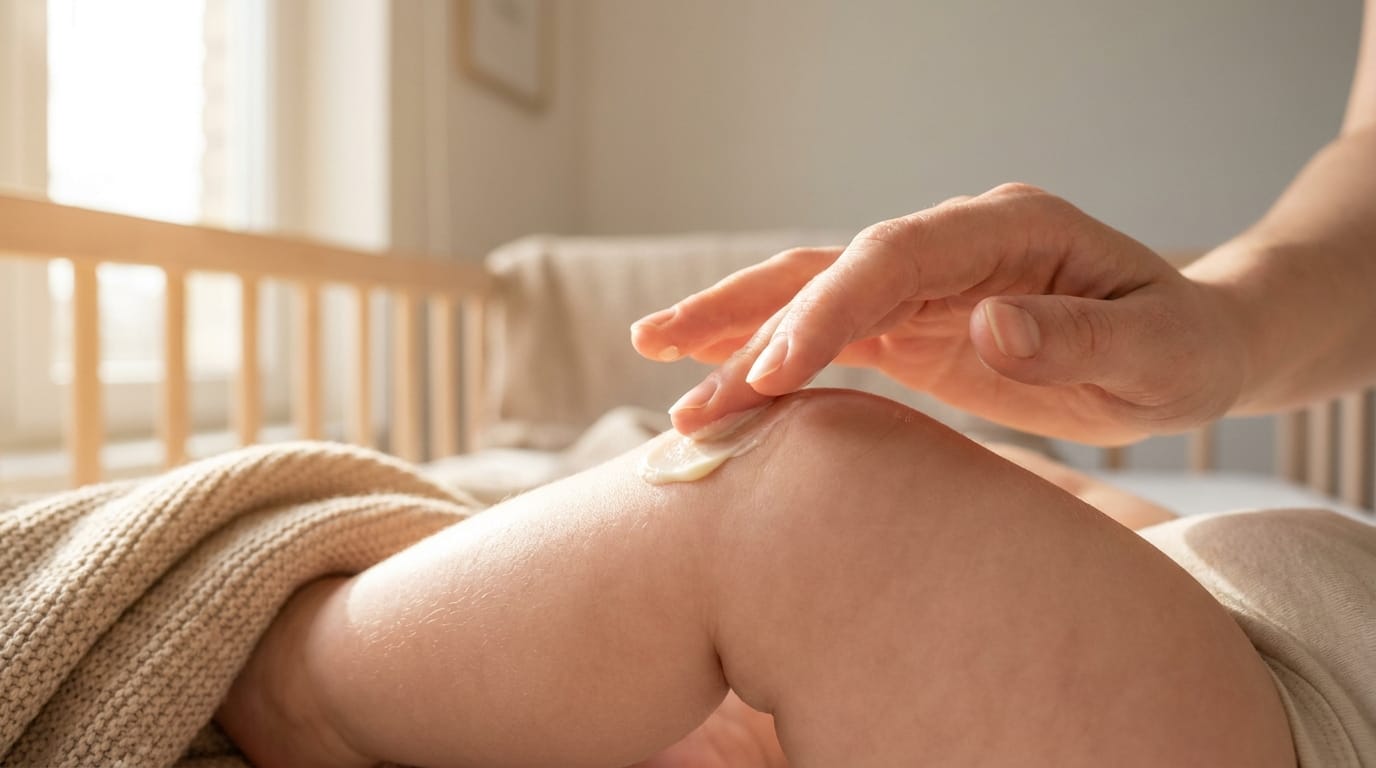
As a parent, noticing dry spots on baby skin can instantly send you into a spiral of worry. You expect your little one to have that perfectly smooth, famously soft skin that everyone talks about.
So, when you suddenly feel rough, flaky, or scaly patches while applying their lotion or changing their diaper, it is completely normal to feel a little panicked. Take a deep breath, my friend, because you are definitely not alone in this!
Infant skin is incredibly delicate and much more sensitive than ours. It reacts quickly to changes in the environment, new products, and even the weather outside.
The good news? Most of these little rough patches are entirely harmless. They are usually very easy to treat right from the comfort of your own home with a few simple tweaks to your daily routine.
Grab a cup of coffee (or tea!), sit back, and let’s dive into everything you need to know about understanding, soothing, and preventing those stubborn little patches. I am going to walk you through this step-by-step.
What Actually Causes Dry Spots on Baby Skin?
To fix a problem, we first need to understand where it is coming from. Baby skin actually loses moisture a lot faster than adult skin does.
Because their skin barrier is still developing during the first year of life, it has a harder time holding onto natural oils and water. Understanding exactly why these dry spots on baby skin appear is the very first step to helping your baby feel comfortable again.
Here are the most common culprits behind that flaky skin:
- Changes in the Weather: Cold, crisp winter air is notorious for stripping moisture from the skin. Similarly, hot summer sun and dry winds can have the exact same effect.
- Indoor Heating and Cooling: Turning on the central heating in the winter or the air conditioner in the summer drops the humidity in your home. This dry indoor air literally sucks the moisture right out of your baby’s skin.
- Long, Hot Baths: We all love a nice warm bath, but hot water is actually your baby’s worst enemy when it comes to skin hydration. It strips away their natural, protective oils.
- Harsh Soaps and Lotions: Many popular baby products on the market are secretly packed with artificial fragrances, alcohol, and harsh chemicals. These ingredients look and smell nice but are terribly drying.
- Drool and Spit-up: If the patches are mostly around the chin, cheeks, or neck, it might be from constant moisture. When drool sits on the skin and evaporates, it takes the skin’s natural moisture with it, leaving a dry, red patch behind.
- Friction from Clothing: Rough fabrics or clothing that is a little too tight can rub against your baby’s delicate skin, causing mild irritation and dryness over time.
Is It Just Dry Skin or Is It Eczema?
This is a question almost every parent asks when they feel those rough patches. How do you know if you are dealing with standard winter dryness or something chronic like eczema?
Standard dry skin usually looks like light flaking or mild roughness. It rarely seems to bother the baby, and it usually clears up within a few days of using a good moisturizer.
Eczema (Atopic Dermatitis), on the other hand, is a bit more intense. It is a very common condition in infants, but it requires a slightly different approach.
Here are a few signs that you might be dealing with eczema rather than just simple dryness:
- Intense Redness: The patches are not just dry; they are noticeably red, inflamed, or angry-looking.
- Extreme Itchiness: Your baby might try to rub their face against your shoulder or scratch at their arms and legs. Eczema is notoriously itchy and uncomfortable.
- Specific Locations: Eczema loves to hide in creases. You will often find it in the bends of the elbows, behind the knees, on the cheeks, and around the wrists.
- Weeping or Crusting: In severe cases, eczema patches might ooze a clear fluid or develop a yellowish crust. If you see this, it is time to call your doctor.
If you suspect eczema, do not panic. It is highly manageable! However, always get an official diagnosis from your pediatrician so you can get the right treatment plan.
How to Treat and Soothe Dry Spots on Baby Skin
Now that we know what causes these rough patches, let’s talk about how to get rid of them. You do not need a cabinet full of expensive, fancy creams.
In fact, when it comes to treating dry spots on baby skin, less is almost always more. You want to focus on thick, deeply hydrating, and gentle ingredients.
Here is a foolproof, step-by-step action plan to bring back that baby-soft skin:
1. Master the “Soak and Seal” Method
This is a dermatologist-approved trick that works wonders for infant skin. The goal is to trap the moisture from the bathwater into the skin before it can evaporate into the air.
- Take your baby out of the bath and gently pat them dry with a soft cotton towel. Do not rub! Rubbing causes friction and irritation.
- Leave their skin slightly damp. You want it to feel a little bit tacky to the touch.
- Within exactly three minutes of taking them out of the water, apply a thick layer of ointment or cream all over their body.
- This thick layer acts as a physical shield, locking that bathwater deep inside the skin cells.
2. Ditch the Lotions for Ointments and Creams
Did you know that lotions are mostly made of water? Because they have a high water content, they evaporate quickly and can actually leave the skin feeling drier than before.
If your baby has rough patches, you need to upgrade your moisturizing game. Switch from thin lotions to thick creams or heavy ointments.
Look for products that contain:
- Ceramides: These are natural lipids that help rebuild the skin’s protective barrier.
- Petroleum Jelly: The ultimate moisture locker. It sits on top of the skin and prevents any water from escaping.
- Colloidal Oatmeal: A fantastic, natural ingredient that soothes redness, calms itching, and deeply hydrates.
3. Give Them a Soothing Oatmeal Bath
If the rough patches are widespread or seem a little red, an oatmeal bath is a wonderfully gentle home remedy. It is naturally anti-inflammatory and feels great on sensitive skin.
You can buy pre-made colloidal oatmeal bath packets at the pharmacy, or you can easily make your own at home.
Just blend plain, unflavored rolled oats in a food processor until they form a fine powder. Sprinkle a few tablespoons into lukewarm bathwater and let your baby soak for about 10 minutes. Their skin will feel incredibly soft afterward!
4. Turn On a Humidifier
Remember how we talked about dry indoor air stealing moisture from the skin? A cool-mist humidifier is the perfect weapon to fight back against this.
Place a humidifier in your baby’s nursery, safely out of reach of the crib. Turn it on during their naps and right before bedtime.
By adding water vapor back into the air, you are creating a much friendlier environment for their delicate skin to heal overnight. Just make sure to clean the humidifier regularly according to the manufacturer’s instructions to prevent mold!

Daily Habits to Prevent Dry Spots on Baby Skin
Treating the patches is great, but preventing them from coming back is even better! A solid, gentle daily routine is the secret to keeping your baby’s skin glowing and healthy all year round.
By making a few small adjustments to how you bathe, dress, and care for your little one, you can banish those rough patches for good. Let’s look at the best daily habits.
Revamp Your Bath Time Routine
Bathing your baby every single day is actually not necessary unless they have had a massive diaper blowout or got really messy during mealtime.
- Cut back on baths: Aim for 2 to 3 baths a week. On the off days, a simple “top and tail” wash (cleaning the face, neck, hands, and diaper area with a warm washcloth) is completely sufficient.
- Watch the temperature: The water should be lukewarm, never hot. If it feels nice and toasty to you, it is probably too warm for them. Test it with your inner wrist; it should feel just barely warm.
- Keep it short: Limit bath time to 5 to 10 minutes maximum. The longer they sit in the water, the more their skin dries out.
- Use soap sparingly: You do not need to lather their entire body. Only use a gentle, fragrance-free cleanser on the areas that actually get dirty or smelly—like the diaper area, the armpits, and under the neck folds.
Rethink Their Wardrobe and Laundry
The fabrics that sit against your baby’s skin all day play a huge role in their skin health. Synthetic fabrics can trap heat and sweat, leading to irritation.
- Stick to 100% Cotton: Cotton is breathable, soft, and gentle. Bamboo is also an excellent, soft alternative for sensitive skin.
- Avoid Wool and Synthetics: Rough wool sweaters or polyester blends can cause immediate itching and redness on delicate skin.
- Wash everything first: Always wash new clothes, blankets, and even stuffed animals before giving them to your baby. Factories use chemicals to keep clothes looking crisp, and these can be very irritating.
- Choose the right detergent: Switch to a liquid laundry detergent that is explicitly labeled as “free and clear” or “hypoallergenic.”
- Skip the fabric softener: Liquid fabric softeners and dryer sheets are absolutely loaded with artificial fragrances and chemicals. They leave a thin, irritating film on clothing. Skip them entirely!
Protect Them from the Elements
Whenever you take your baby outside, you need to think about how the weather will affect their skin barrier.
- Winter protection: If it is cold and windy, apply a thin layer of petroleum jelly or a thick barrier balm to their cheeks and lips before you step outside. This acts like a little invisible shield against windburn.
- Summer protection: Keep babies under 6 months out of direct sunlight. For older babies, use a mineral-based baby sunscreen (look for zinc oxide or titanium dioxide) rather than chemical sunscreens, which can cause allergic reactions.
- Manage drool: If your baby is teething, keep a soft, dry bib on them to catch the drool before it soaks their shirt. Gently pat their chin dry throughout the day, and apply a barrier ointment to their chin and neck folds to block the moisture.
When to Call the Pediatrician
While dealing with dry spots on baby skin is usually a simple DIY fix at home, there are times when you absolutely need to tap into the expertise of your pediatrician.
Your doctor is your partner in your baby’s health, and it is always better to be safe and ask for help if you are ever feeling unsure. Do not hesitate to make an appointment if you notice any of the following red flags:
- No improvement: You have been using the thick ointments, taking short baths, and following all the rules for a week or two, but the patches are not getting any better (or they are getting worse).
- Signs of an infection: If the dry patches start oozing a clear or yellow fluid, develop honey-colored crusts, feel hot to the touch, or have red streaks spreading from them, call the doctor immediately. This could be a sign of a bacterial infection like staph.
- Extreme discomfort: If your baby is unusually fussy, cannot sleep, or is constantly trying to scratch the patches until they bleed, they need medical relief. The doctor can prescribe safe, mild steroid creams to calm the severe itch.
- Spreading rapidly: If the dry patches are suddenly spreading across their entire body very quickly, it is time for a professional evaluation to rule out allergies or other skin conditions.
- Accompanied by a fever: A rash or dry patches combined with a fever always warrants a prompt visit to the pediatrician.
Your doctor can help correctly diagnose the issue, whether it is eczema, a fungal infection, or a food allergy, and give you a customized treatment plan to bring your baby some fast relief.
Frequently Asked Questions (FAQs) About Baby Skin Care
I know that even after reading all of this, you might still have a few lingering questions. Parents always do! Here are some of the most common questions I hear about keeping baby skin healthy.
Q: Can I use natural oils like olive oil or coconut oil on my baby? Yes, but with caution! Cold-pressed, unrefined sunflower seed oil is generally considered very safe and helps improve the skin barrier. Coconut oil is also popular and has natural antibacterial properties. However, pediatric dermatologists recommend avoiding olive oil, as it contains high levels of oleic acid which can actually break down the skin barrier over time and make dryness worse.
Q: Do food allergies cause dry skin patches? They can! If your baby has moderate to severe eczema that isn’t responding to topical treatments, it might be linked to a food allergy (like cow’s milk, eggs, or soy). If you suspect this, talk to your pediatrician. Do not cut out major food groups from your baby’s or your own diet (if breastfeeding) without medical guidance.
Q: Should I peel the flaky skin off? Absolutely not! Never pick, peel, or scrub the dry flakes. This can tear the healthy skin underneath, cause pain, and open the door to bacterial infections. Let the dead skin slough off naturally with the help of gentle moisturizers.
Q: How often should I apply moisturizer? As often as needed! If the skin feels dry, moisturize it. For babies with very dry skin, applying a thick cream or ointment 2 to 4 times a day is a great habit. Always do it during diaper changes so you don’t forget!
Conclusion: You’ve Got This!
Navigating all the little bumps, rashes, and rough patches of infancy can feel overwhelming, but you are doing an amazing job. Remember, seeing dry spots on baby skin is incredibly common, and it is usually just a temporary phase as your baby’s delicate body adjusts to the outside world.
By keeping their baths short and sweet, loading up on thick, fragrance-free ointments, dressing them in soft cotton, and keeping the indoor air comfortably humid, you are giving their skin exactly what it needs to heal. Consistency is the magic word here. Stick to your gentle routine, and you will likely see those rough patches disappear in no time.